
Delivering for Dover
The site’s owners believe the project offers the residents of Dover and surrounding communities a number of benefits.
Traffic management
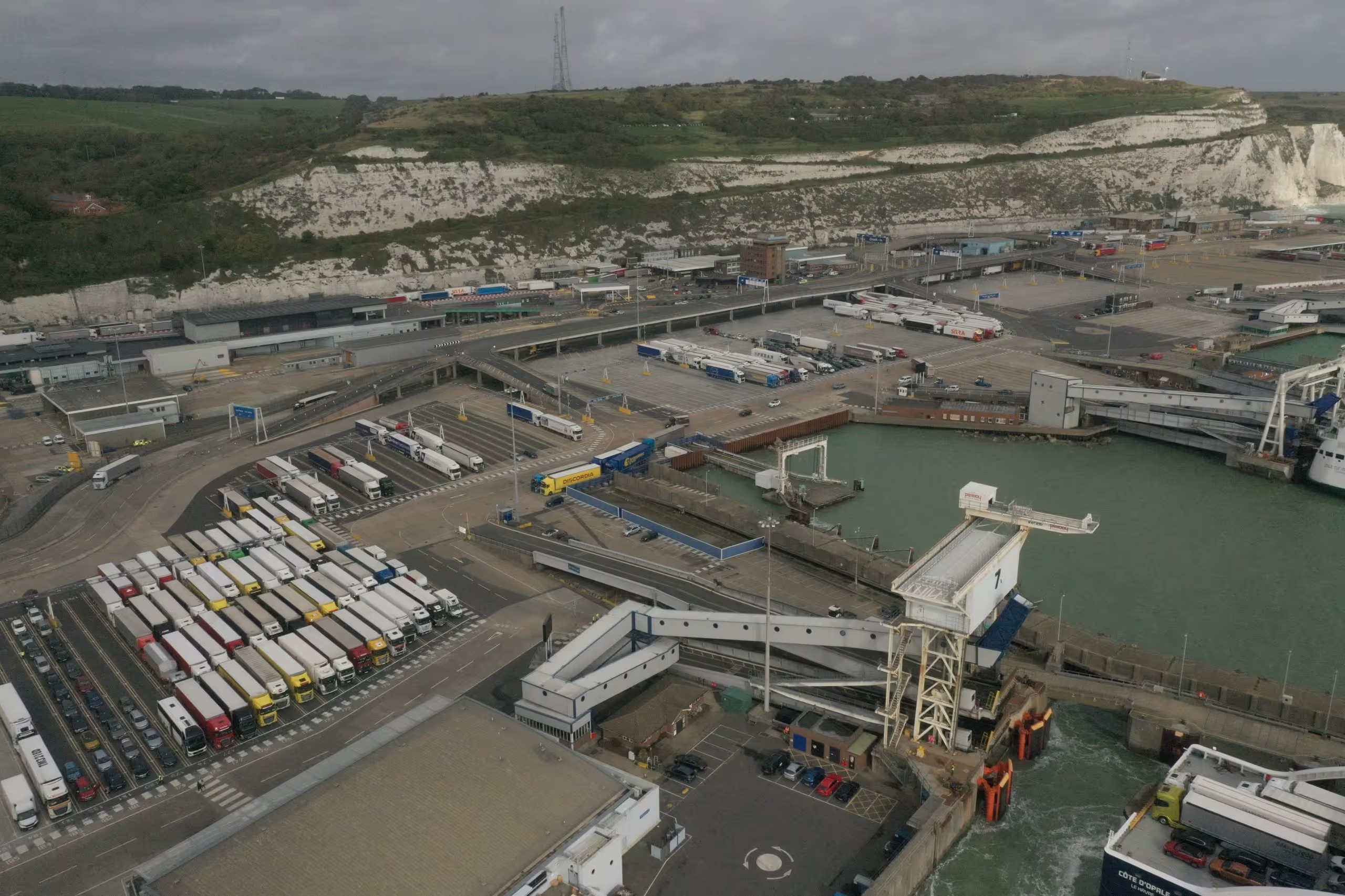
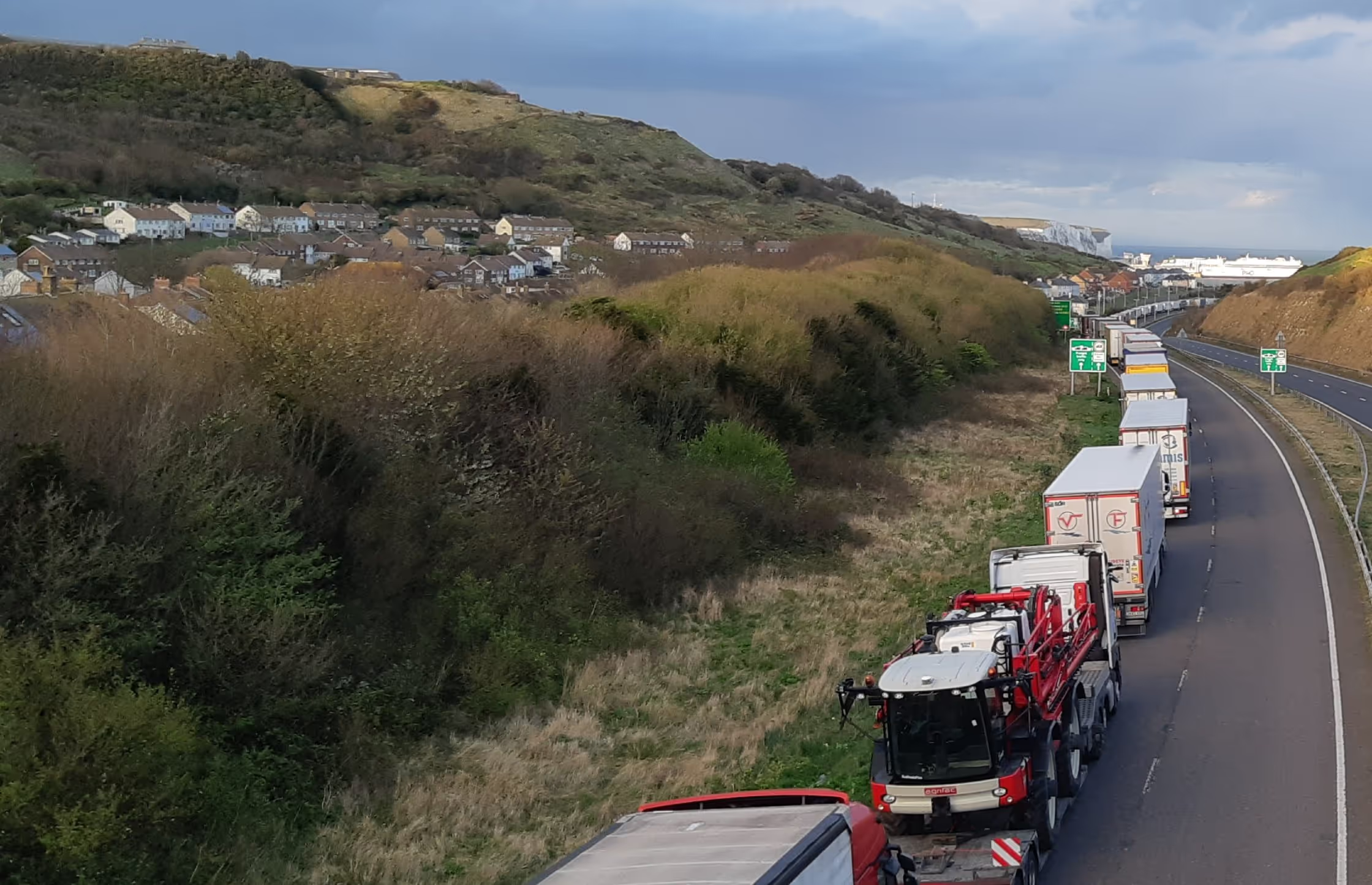
Congestion is a recurring problem for Dover residents and businesses, bringing traffic to a halt in the town with disruption frequently spreading to surrounding communities such as Aycliffe, Capel, Hawkinge and Cheriton as well as Folkestone. This proposed lorry park has the potential to provide a location where lorries can stay overnight and remain until congestion eases – with only a short travel time to the Port.
Taking lorries off the road will also include less risk of the closure of the Roundhill Tunnel, less pollution/noise from idling HGVs and less rubbish left by drivers at the side of the road.

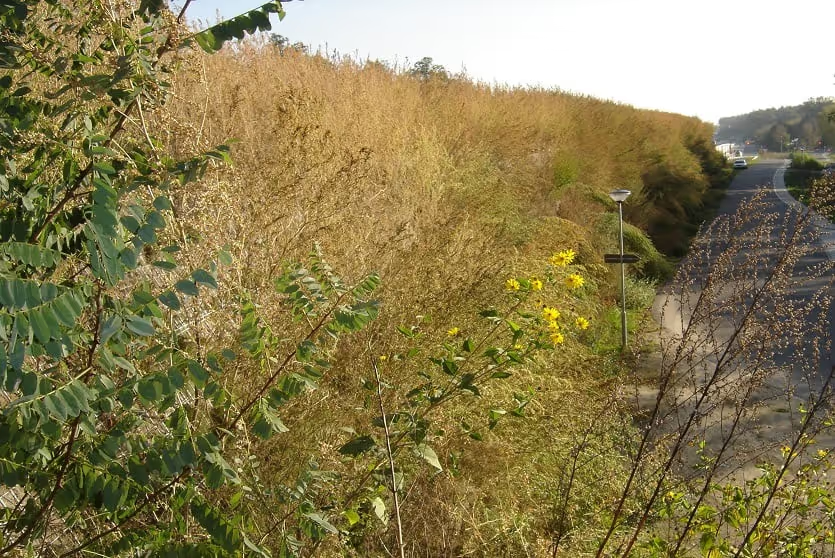

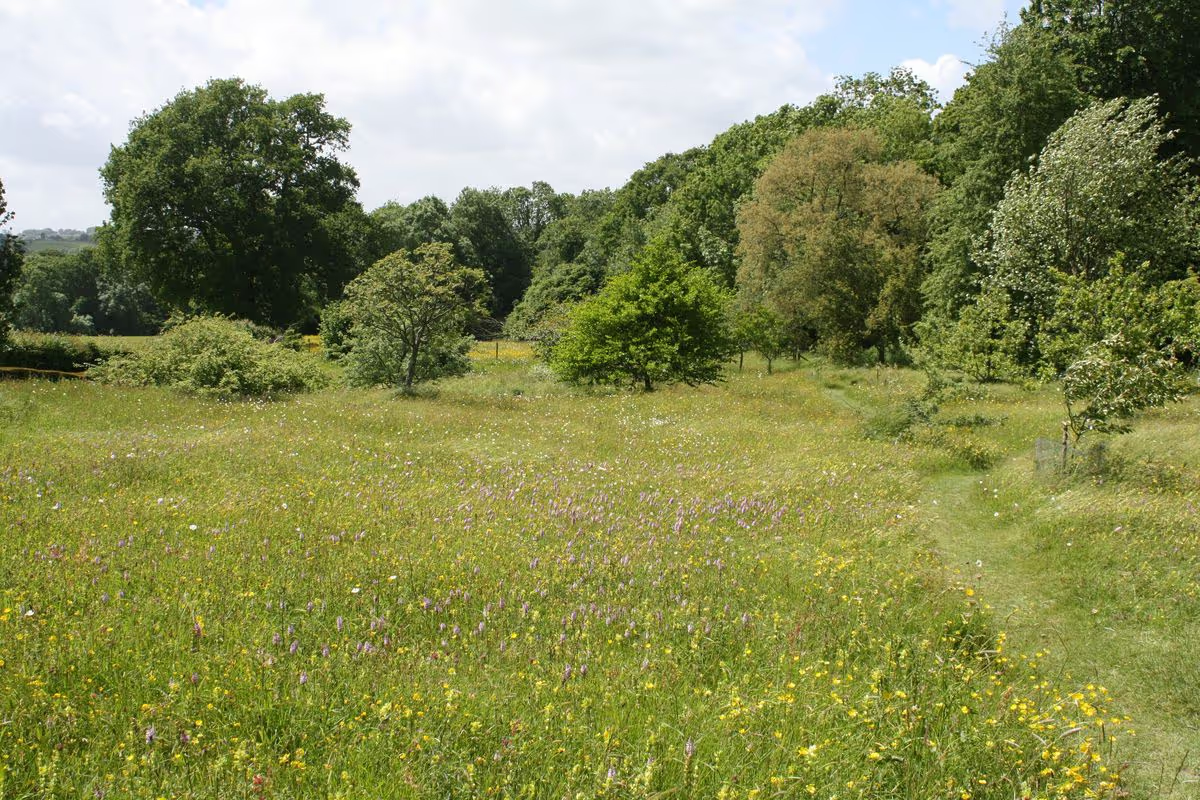
Some two-thirds of the site will either be untouched or used for habitat enhancement, resulting in a substantial uplift in biodiversity.
Native broadleaved woodland is proposed to enhance existing woodland along the northern boundary and within the south and east of the site. Existing field hedges will be extended along the south side of the footpath within the north of the site and along the southern boundary.
Grassland habitats are proposed across the site to provide additional environmental enhancements, while scrub habitat, extension of existing hedge, and native broadleaved woodland is proposed alongside the proposed access from the A20 slip road.
The development will incorporate sustainable drainage systems with a new swale on the western edge of the lorry park taking – and cleaning – run-off rainwater to a shallow grassed basin in the north-east of the site, which will hold the water while it sinks into the ground.
Over
of new scrub habitat
Minimum of
biodiversity net gain
Deliver Approx
of additional native field hedges
More than
of new woodland areas
Circa
of new wildflower grassland delivered
Reducing crime through location and design



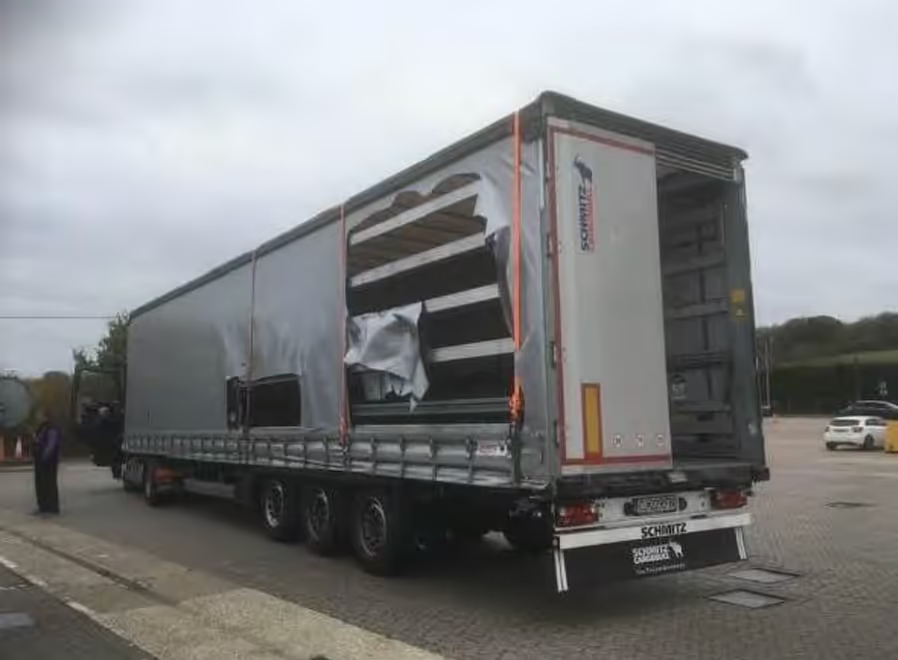
One result of HGVs being parked in insecure locations is that it prompts opportunistic crime. Statistics from the National Vehicle Crime Intelligence Service (NaVCIS) say there were 242 incidents involving HGV crime in Kent in 2024. The organisation states: “Our position is quite clear that the UK needs to adopt more secure truck parking in order to have any significant reduction in Freight Crime offences.”
Freight crime is estimated to cost the UK economy £680-£700 million a year. Just 0.4% of thefts occur in secure truck stops compared to 32% at motorway service stations, and 43% on independent road parking.
To design out crime, the Court Wood truckstop would incorporate:
·A strong perimeter fence with a 24hr manned security gatehouse
CCTV to provide a robust deterrent and appropriate lighting


Supporting HGV driver wellbeing
The life of an HGV driver can be a difficult one. Trucking Lives’ Views From the Cab Report 2024, funded by UKRI’s Economic and Social Research Council (ESRC), found that 54% of current HGV drivers reported that their job had negative impacts on their physical health and 32% felt it was detrimental to their mental health.
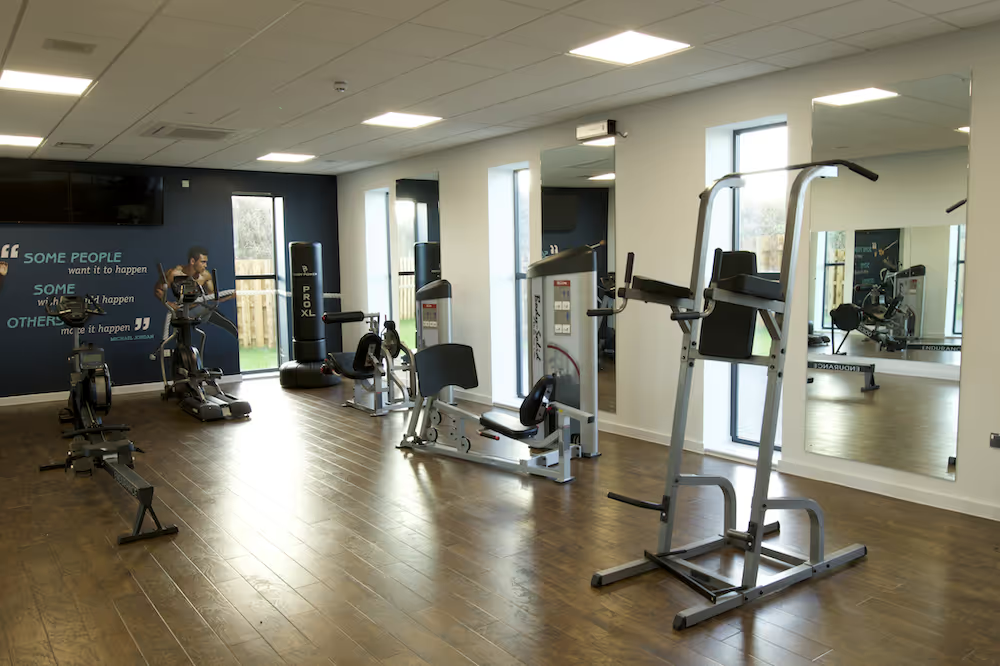
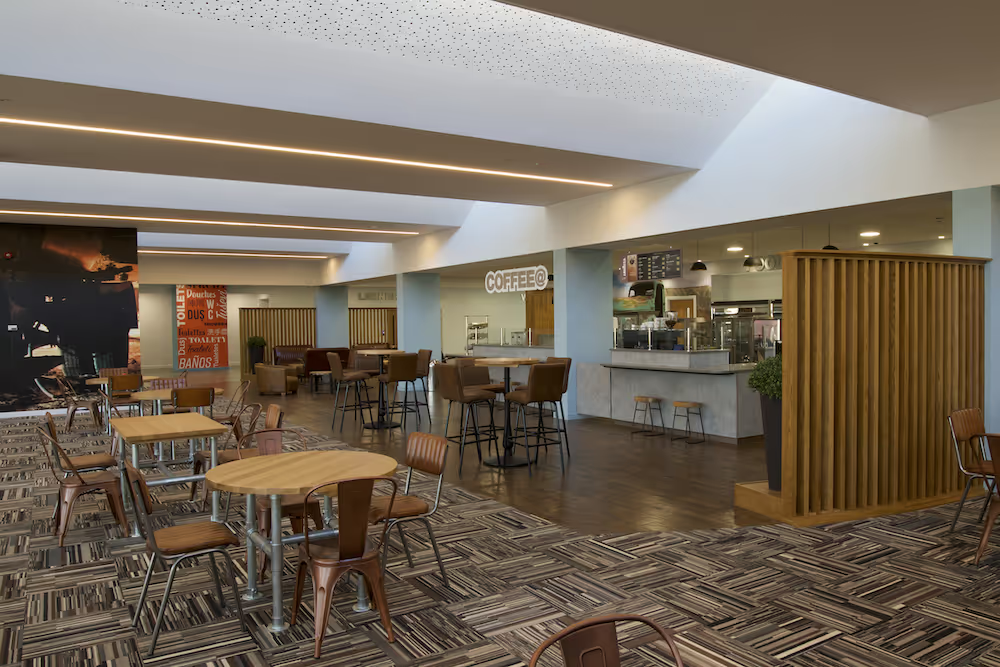
According to National Highways, driver welfare is a national priority. Providing high quality truck stop facilities is key to improving driver wellbeing.
Improving driver facilities will generate wider socio-economic benefits, including better road safety and reduced pressures on the NHS. While driver fatigue is linked to up to 20% of road incidents, a 2023 Randstad survey found 27% of logistics workers had taken time off due to unmanageable stress or mental health issues.
Supporting the efforts to reduce the impact of Operation TAP
In place for more than a decade, Operation TAP has had a negative impact on the economy and community of Dover despite the considerable efforts to find a solution.
In the words of the Kent Resilience Forum: “Dover TAP and Operation Brock remain exceptionally disruptive both locally and nationally. They are limited in their capacity, remain resource intense and are a sub-optimal on-road solution.”
The project welcomes the efforts of the Dover Harbour Board to improve the resilience of the outbound management of HGVs through the Port and to keep this nationally significant trade route between the UK and mainland Europe flowing freely.
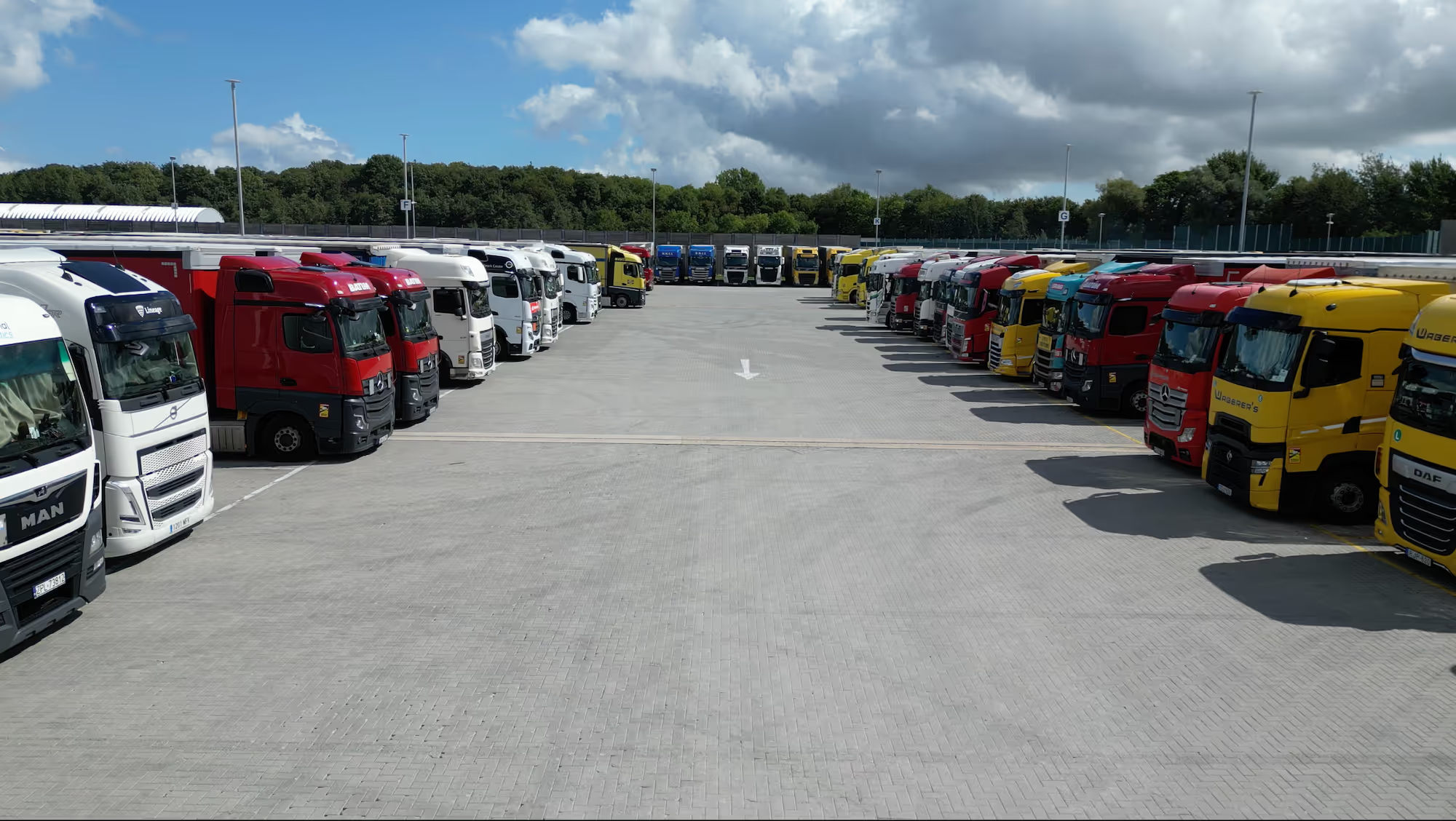
By providing an additional 600 HGV spaces between Folkestone and Dover, the proposed truckstop will add a significant level of capacity and strengthen the Port’s resilience.
Freeing the area of traffic offers the prospect of unlocking Dover’s potential and strengthening its economy.